Here's the uncomfortable truth about a lot of catastrophic wildfires: they don't start with a dramatic failure. They start with a few extra degrees of heat on a tired splice that nobody could see, on a span that nobody had climbed in years, on a windy afternoon. A loose connection runs hot. Hot metal sheds sparks. Dry grass does the rest.
The fix isn't exotic. It's finding the hot clamp before it lets go. The problem was always access — you can't put a thermographer on every span of every line every week. So the hot clamps stayed invisible until one of them started a fire.
Why heat is the tell
Electricity is honest about resistance: a bad connection turns wasted energy into heat. A healthy splice and a failing one look identical to the eye. Under a thermal camera, the failing one glows. Catch that glow and you've caught the fault while it's still a maintenance ticket instead of an evacuation order.
What the bro actually does on a high-risk line
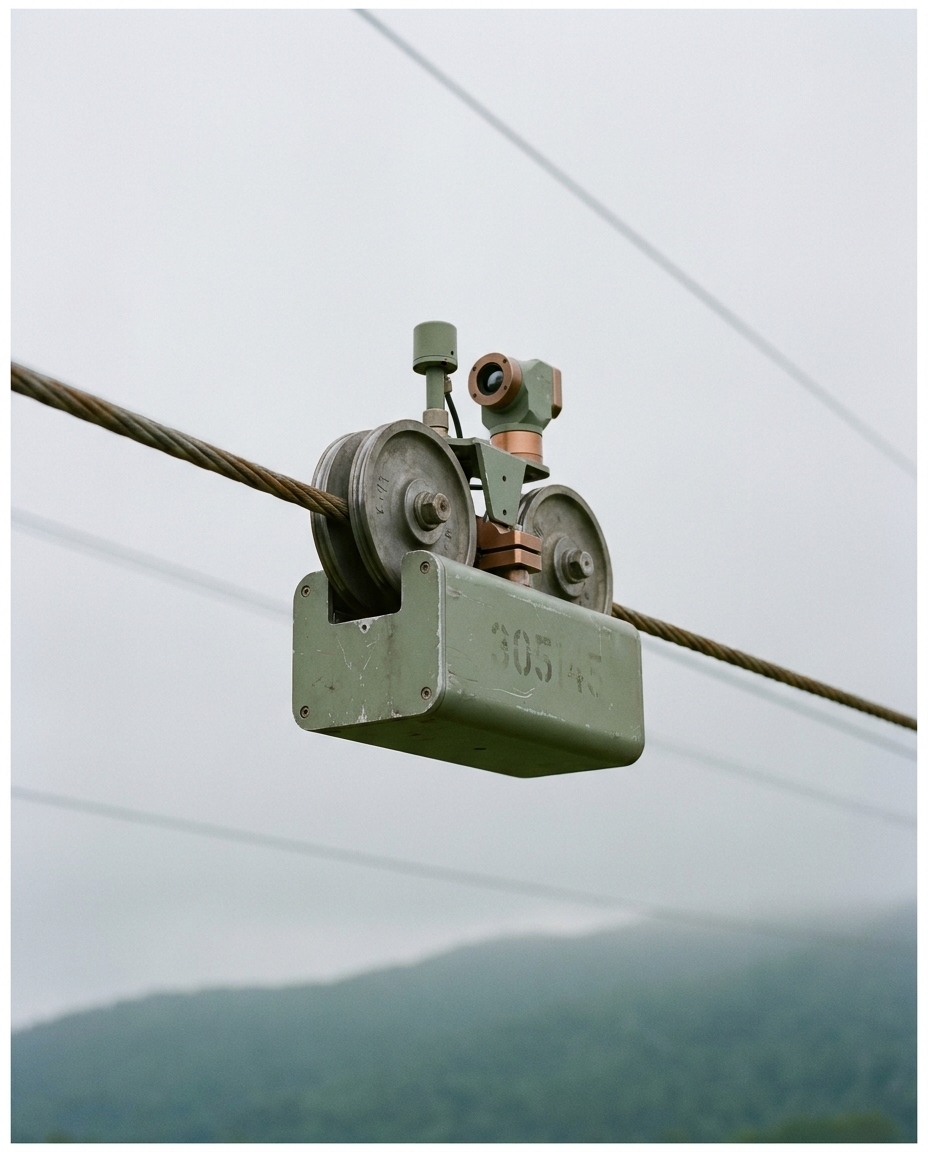
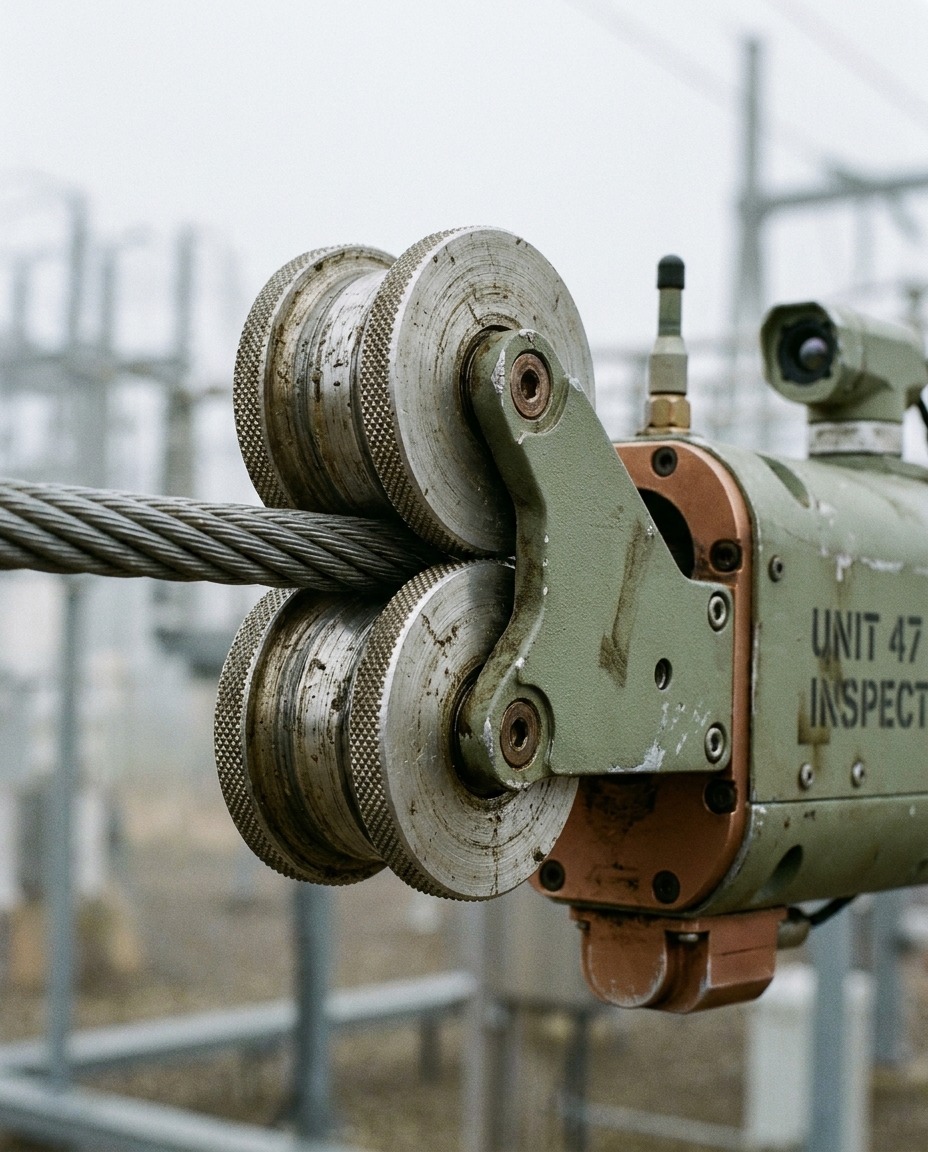
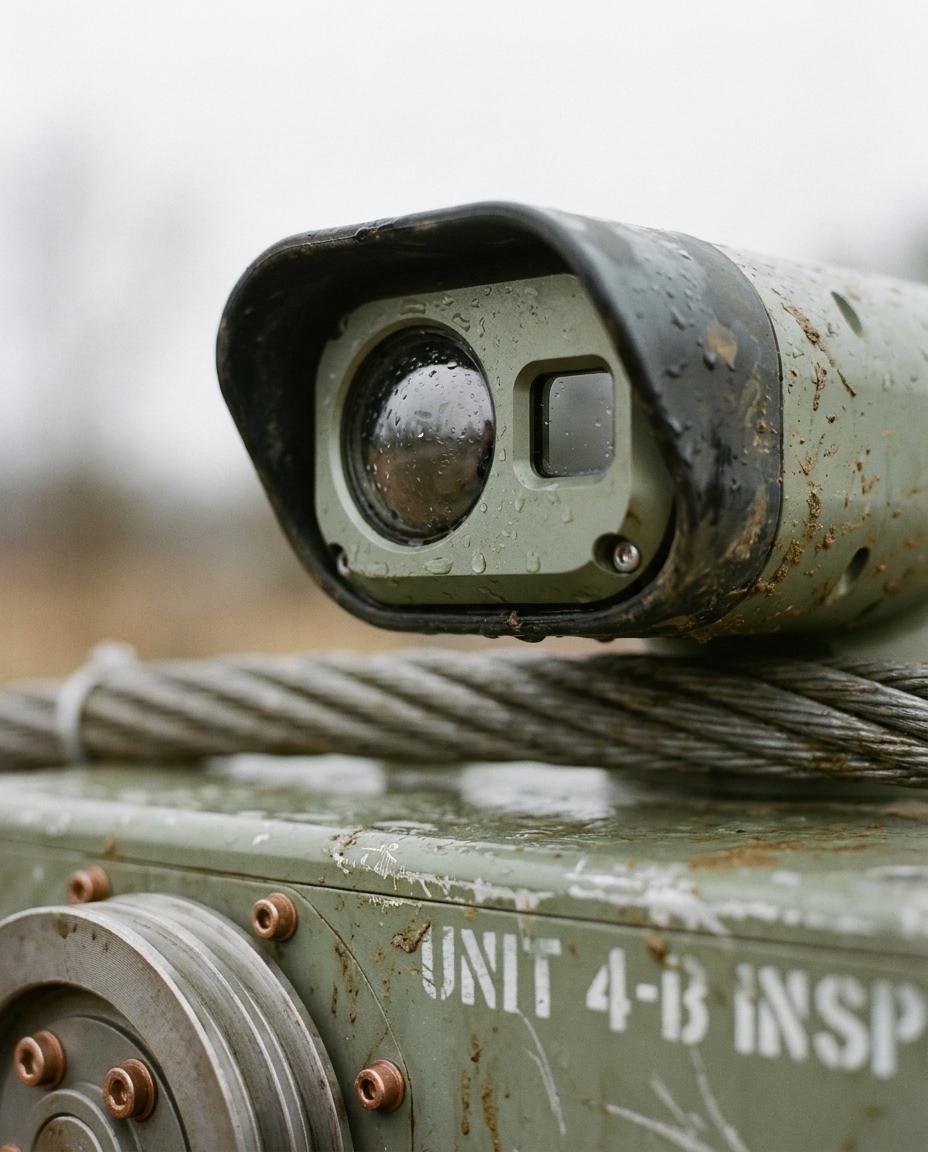
It rides the conductor, hot, span after span, with a calibrated thermal camera pointed at every connection that matters:
- Every splice and dead-end — where strands are joined and current crowds.
- Every clamp and jumper — the bolted connections that loosen, corrode, and cook.
- Spacers and dampers — hardware that fails quietly and chews the conductor.
Each hot spot gets a temperature, a GPS fix, and a photo, pushed straight into the utility's SCADA and work-order system. Not "the line looks warm somewhere" — a specific clamp, on a specific structure, at a specific temperature, with a picture.
| What we read | Why it matters for fire |
|---|---|
| Connection temperature | A hot clamp is a spark source waiting for wind |
| Rate of change span-to-span | Catches a fault that's getting worse, fast |
| Exact location + photo | Crew fixes the right thing on the first truck roll |
| Vegetation clearance below | Flags where a spark would actually find fuel |
During red-flag conditions
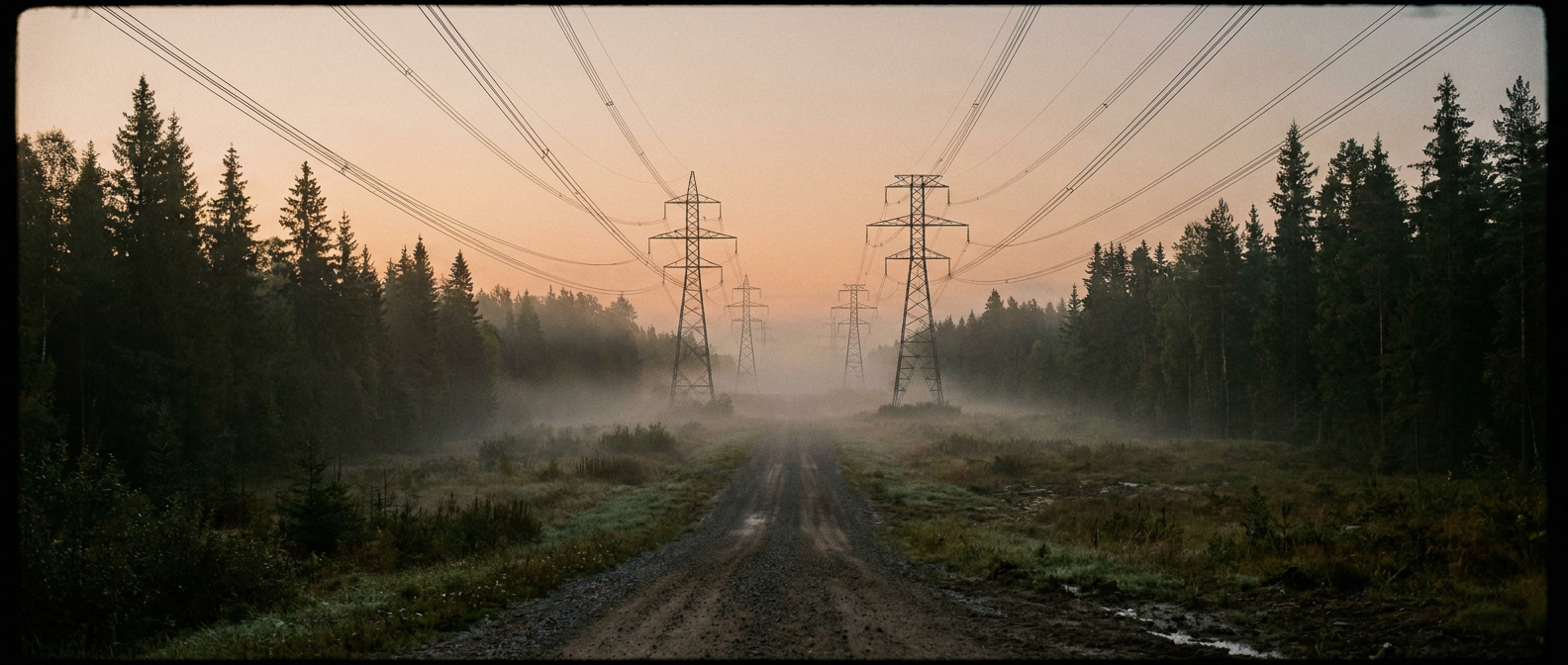
When the wind comes up and the humidity drops, utilities pre-emptively de-energize whole regions — public safety power shutoffs — because they can't be sure which span is the dangerous one. Cheaper, faster, safer to inspect hot and know. A bro can patrol the high-risk corridors ahead of the wind and hand the operator a ranked list of the connections most likely to spark. That's the difference between blacking out a county and fixing four clamps.
The honest part
We're not going to claim a robot ends wildfire season. Weather, fuel, and aging infrastructure are bigger than any one machine. But the specific failure mode — a hot connection nobody saw — is exactly the kind of boring, repetitive, high-stakes looking that a bro on the wire does better than a person ever could, because it can do it every week, on every span, without an outage.
It's not a scooter. It's a bro on the wire, and it's reading your network for the spark before it happens. Request a demo.